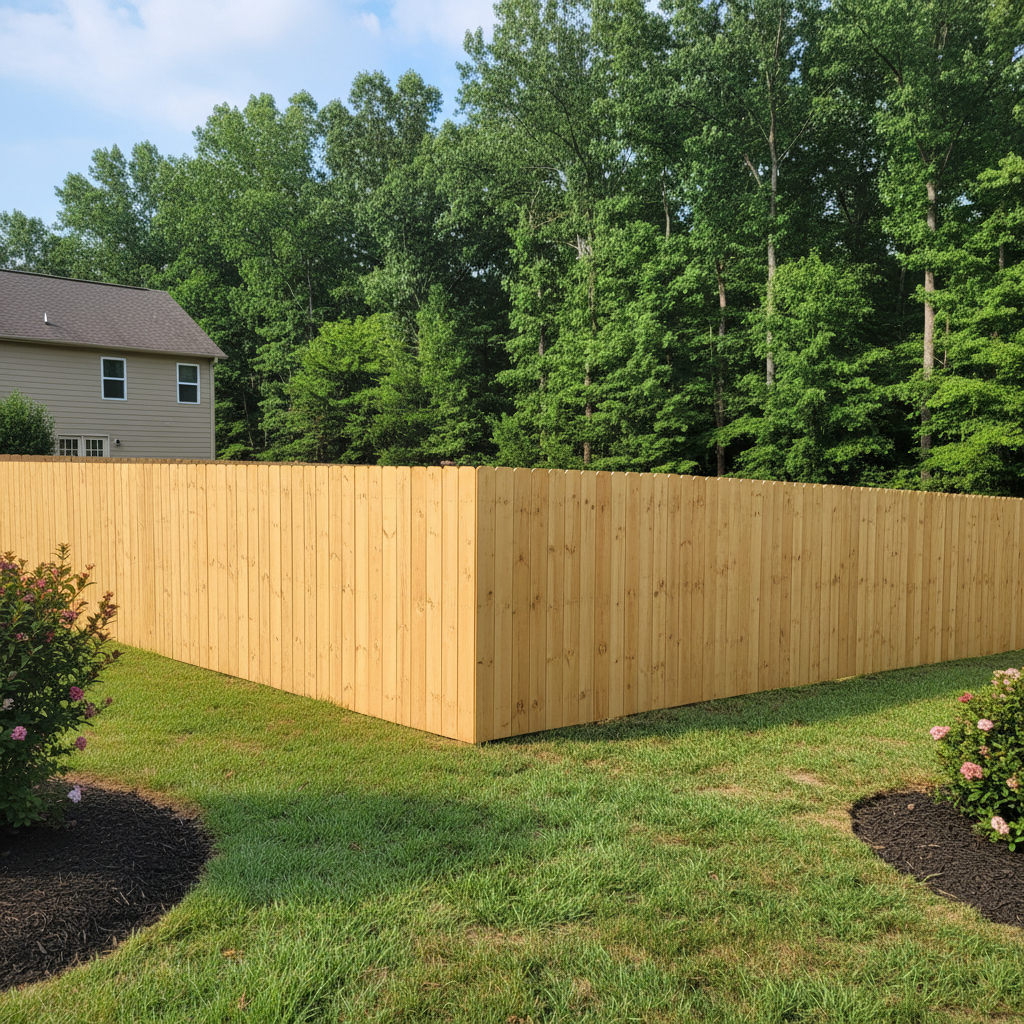
So, you've got a fence, and let's be honest, it's seen better days. Maybe the color's faded, paint's peeling, or it just doesn't fit the vibe of your yard anymore. You've decided it's time for a fresh coat of paint. Smart move! A well-painted fence really spruces up your home's curb appeal and protects your investment, doesn't it? But here's the thing: I've watched a lot of folks around Oak Ridge — especially in those charming older neighborhoods with the mid-century ranches — make some pretty common slip-ups. These mistakes can turn a simple painting project into a real headache. Let's chat about what you absolutely need to know before you even think about picking up a brush or calling a contractor.
Mistake #1: Skipping the Prep Work (or doing it wrong)
This is probably the biggest one, honestly. It's where most DIYers, and even some less-than-great contractors, really mess up. You just can't slap new paint over an old, dirty, or peeling surface and expect it to hold up. Especially with our humid Tennessee summers and those sudden downpours, proper prep isn't just a suggestion; it's a must.
- Not cleaning thoroughly: Your fence is a magnet for dirt, mildew, pollen, and all sorts of crud. If you paint right over that, the new paint won't stick. You'll need a good power wash, and sometimes a scrub with mildew cleaner, particularly on those north-facing sections that stay damp longer. Let it dry completely — and I mean *completely* — before doing anything else.
- Ignoring old, peeling paint: If your fence has old, flaky paint, you've got to scrape it off. Sanding helps smooth out the edges. New paint over old, loose paint? It'll just peel right along with the old stuff. Think of it like putting a band-aid on a dirty cut; it's not going to stay.
- Forgetting repairs: Got loose boards? Nails poking out? Sections starting to rot? Fix them first! Paint isn't going to magically hold your fence together.
Mistake #2: Choosing the Wrong Paint or Stain
Walk into any hardware store, and you'll see a whole wall of choices. It's easy to feel overwhelmed. But picking the wrong product for your fence is a costly error.
- Using interior paint outside: This might sound obvious, but you'd be surprised. Interior paints just aren't made to handle UV rays, moisture, and big temperature swings. They'll break down super fast.
- Not understanding the difference between paint and stain: Paint sits on top of the wood, giving you a solid color and more protection. Stain, on the other hand, soaks into the wood, highlighting its natural grain and offering different levels of transparency. If you want to see the wood grain, you need stain. If you want a solid, opaque color, go for paint. Each has its own benefits and drawbacks when it comes to how long it lasts and how much upkeep it needs.
- Going cheap: I totally get it, budgets are a real thing. But bargain-bin paint usually means bargain-bin performance. Higher quality paints and stains have better pigments, binders, and additives that fight off fading, cracking, and mildew. It'll save you money in the long run because you won't have to repaint as often.
Mistake #3: Hiring the Wrong Contractor (or not checking them out)
If you're not doing the work yourself, you're trusting someone else with your money and your fence. This is where you really need to be careful.
- Not getting multiple quotes: Don't just go with the first person who gives you a price. Get at least three. It helps you understand what's a fair price and what each quote includes.
- Skipping references and reviews: Ask for local references. Look up online reviews. A good contractor will have a solid track record. If they can't give you any, that's a huge red flag.
- No written contract: A handshake deal is fine for some things, but not for a painting project. Get everything in writing: what they'll do, what materials they'll use (brand and type of paint/stain!), the timeline, payment schedule, and warranty. If a contractor hesitates about a written contract, just walk away.
- Paying too much upfront: A reasonable deposit is fine, usually 10-30%. But if someone asks for 50% or more upfront, especially for a fence job, that's a major warning sign.
- Not checking insurance: Make sure they have liability insurance and workers' compensation. If a worker gets hurt on your property and they're not insured, guess what? You could be held responsible. It's a small detail that could save you a world of pain.
Mistake #4: Ignoring the Weather
Oak Ridge weather can be a bit unpredictable, particularly in spring and fall. Painting when it's too hot, too cold, or too wet will absolutely ruin your efforts.
- High humidity: Paint just struggles to dry correctly when the air is thick with moisture. This can lead to bubbles, poor adhesion, and a much longer cure time.
- Direct sun: Painting in direct, scorching sun can make the paint dry too fast, which often means brush marks, bad leveling, and it won't last as long.
- Rain: Obvious, right? But even a light drizzle shortly after painting can wash away uncured paint or leave streaks. Check that forecast carefully.
At All Things Painters, we've truly seen it all. We know what it takes to get a fence looking fantastic and lasting for years in our East Tennessee climate. Don't learn these lessons the hard way. A little planning and careful work go a long way in making sure your fence painting project is a success, not something you regret.